
Hair loss · Once-daily tablet
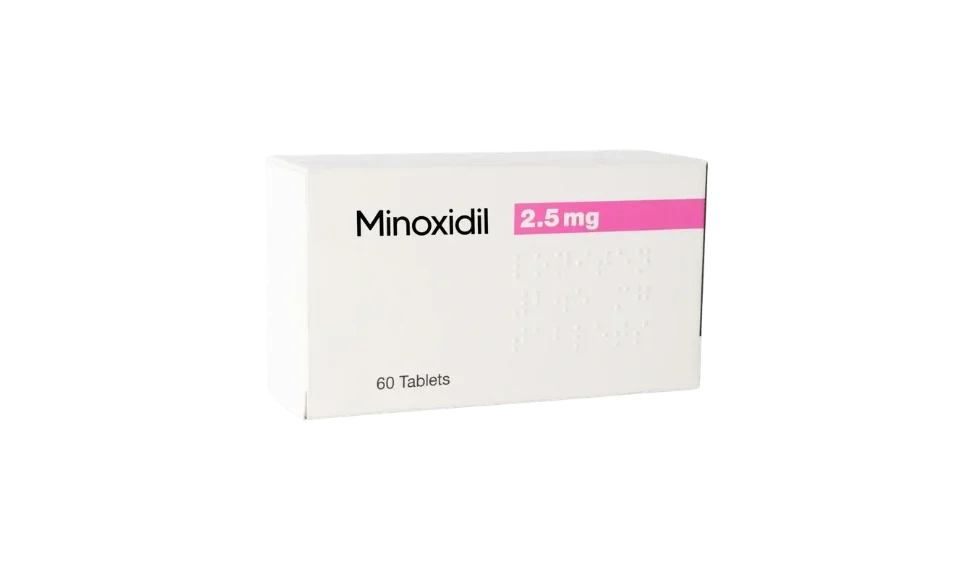
Minoxidil tablets for hair loss
Minoxidil tablets are licensed for high blood pressure. At a much lower dose, clinicians prescribe them off-label for hair loss, as a daily alternative to minoxidil lotion.1
Check your eligibility →- CQC registered
- UK-registered clinicians
- Plain, discreet delivery

All content on this page has been medically reviewed by Naeem Teni, Clinical Lead. GPhC 2215591.
Pricing
Pricing coming soon.
We're finalising prices for Minoxidil. Your clinician confirms the cost before anything is prescribed.
How it works
What it does in the body.
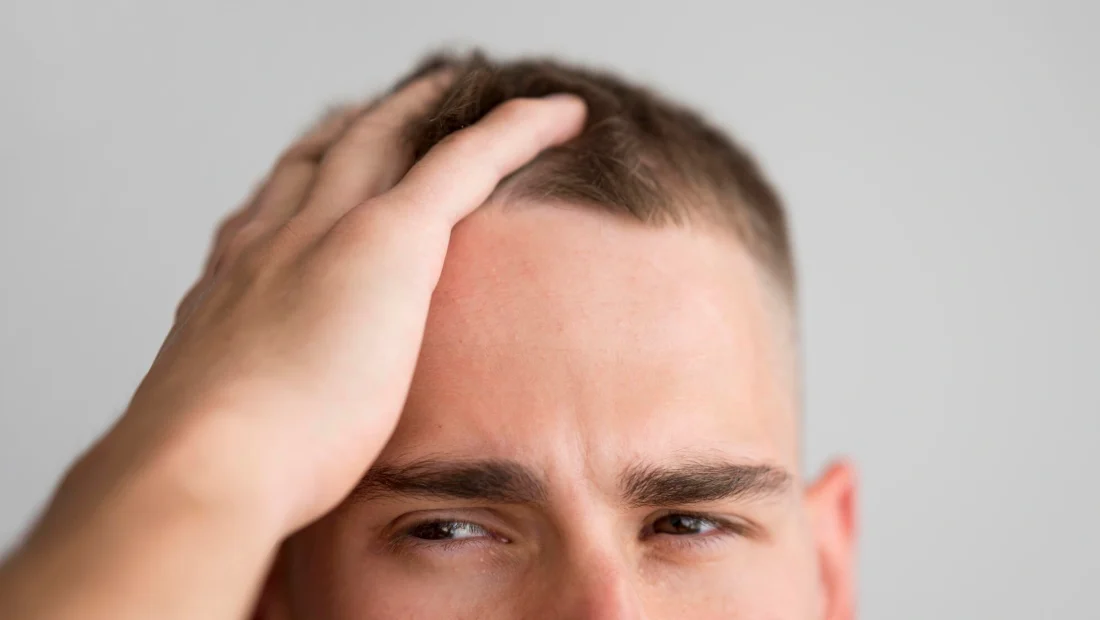
Longer growth phase
Minoxidil helps follicles stay in their growing phase for longer, so hairs grow longer and thicker.
Better blood flow
It widens blood vessels, which is why it was first used for blood pressure. At a low dose, the effect is gentle.1
An early shed can happen
Some men notice extra shedding in the first weeks. It's usually a sign older hairs are making way for new growth.
It works while you take it
If you stop, any new growth is usually lost again over the following months.

One tablet a day, and patience.
One a day
At the same time each day, as your clinician advises.
Stick with it
Changes build over several months, so give it time before judging.
Know the signs
Tell your clinician about swelling, a racing heartbeat or feeling faint.1
Take photos
Same light, same angle, every few months. It's the easiest way to see change.
Why off-label? Minoxidil tablets aren't licensed for hair loss, but they're widely prescribed for it at low doses. Your clinician will explain what that means for you.
Is it right for me?
Who it suits, and what to expect.
May be considered if
All of these usually apply
- You're an adult (18 or over) living in the UK.
- You have treatable hair loss, like thinning or a receding hairline.
- You still have hair to work with, since it keeps hair better than it regrows it.
- A doctor judges it safe with your health history and medicines.
Not suitable if
Any one of these rules it out
- You're pregnant, planning a pregnancy, or breastfeeding.
- You're allergic to minoxidil or any of its ingredients.
- You have certain heart or blood-pressure conditions a doctor will ask about.
- A doctor decides the possible side effects outweigh the benefit for you.
Not sure where you fit? You don't need to work it out yourself. The assessment asks the right questions, and a clinician checks your answers.
At low doses, side effects are usually mild. Your clinician checks in, especially early on.1
More common
Usually mild, and often short-lived.
Get help straight away if
These are rare, but need a doctor quickly.
- Chest pain or a racing or irregular heartbeat.
- Fainting or feeling very dizzy.
- Swelling of your hands, feet or face, or sudden weight gain.
- Shortness of breath, especially when lying down.
Have a heart or blood pressure condition? Tell your clinician. Minoxidil affects blood pressure, so it isn't right for everyone.1
Finasteride or minoxidil?
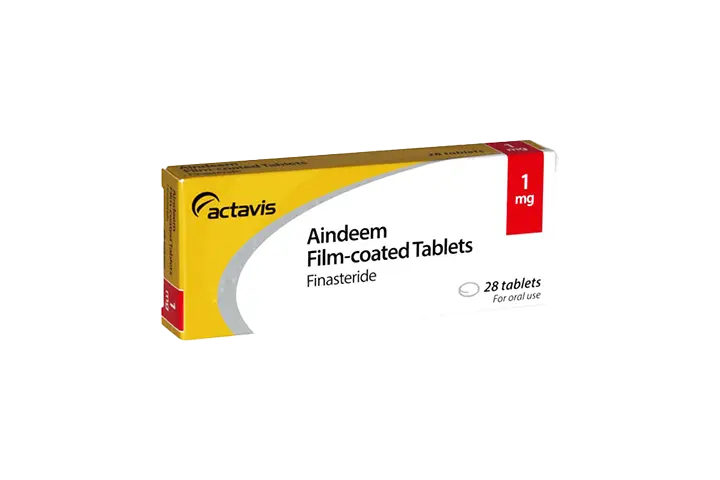
Minoxidil or finasteride?
Trial figures come from different studies, so they aren't a direct ranking. Finasteride tackles the hormone, minoxidil works on the follicle. Using both is common, and your clinician can prescribe them together.
Common questions
Minoxidil, answered.
Is Manova a proper clinic, or a website?
Will it turn up in a branded box at my office?
What if the doctor says no?
Am I locked into a contract?
How is this different from going to my GP?
Guides
Read up on Minoxidil.
References (3)
- Minoxidil tablets Summary of Product Characteristics. Electronic Medicines Compendium (EMC).
- Penha MA, et al. Oral minoxidil vs topical minoxidil for male androgenetic alopecia: a randomized clinical trial. JAMA Dermatol. 2024;160(6):600–605.
- Propecia (finasteride 1mg) Summary of Product Characteristics. Electronic Medicines Compendium (EMC).
