
Traction alopecia: the hair loss caused by how hair is worn
Almost the only hair loss with a single, identifiable, removable cause. Which is good news, right up until the point where it stops being reversible.
Sleep and sexual function: the link most men miss

Testosterone is made largely while you are asleep, and erections happen there too. Treating the night is one of the more overlooked routes to fixing the day.
When to see someone about a sexual problem: red flags and UK routes

Most of this library is for reading. This page is for the moments when you should stop reading and go and be seen.
Desire mismatch: when one of you wants sex more often

Almost every long relationship has a higher-desire and a lower-desire partner. The trouble usually starts with the story each one tells about what that means.
Sex after a stroke: safety, timing and what actually changes

The question almost nobody asks on a stroke ward, and the one most people go home worrying about. The short answer is reassuring; the longer one is practical.
Statins and sexual function: separating the evidence from the reputation

One of the few areas in men’s health where the popular belief and the randomised evidence point in opposite directions. Worth knowing before you stop anything.
Penis size concerns: the measured data and what to do with it

Most men worried about size are within a centimetre of average and have never seen a properly measured figure. Here is the actual data, and the harms nobody selling a solution mentions.
Pornography and sexual function: what the evidence actually shows

A claim repeated confidently online is not the same as a finding. Here is what the studies support, what they do not, and why that distinction matters if you are worried.
Recreational drugs and sex: what each one actually does

Most men who use drugs and have sex do not tell a clinician either thing. That silence is where the avoidable harm lives, so here is the plain version.
Sex and ageing in men: what changes normally and what doesn’t
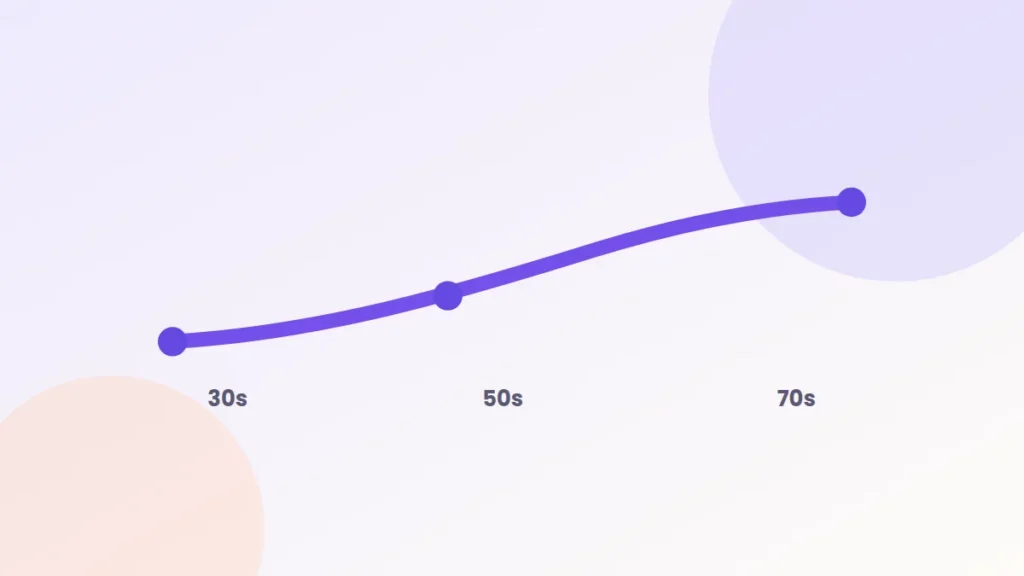
Some of what changes with age is just change. Some of it is disease wearing age as a disguise. Telling them apart is the whole skill.